Effective February 6th, we will be open the first two Saturdays of every month from 8AM to 2PM. Our Monday-Friday hours will remain 8AM to 5PM.

Close
×

Would you like to switch to the accessible version of this site?

Go to accessible site Close modal window

Don't need the accessible version of this site?

Hide the accessibility button Close modal window
Accessibility View Close toolbar
Pearl River Veterinary Hospital

(985) 863-5404

Open mobile navigation
  • Home
  • New Patient Center
    • Online Forms
    • What to Expect
    • Veterinary Resources
    • Payment Options
    • Pet Wellness Program
  • About Us
    • Meet The Doctors
    • Meet Our Staff
  • Our Services
    • Bathing and Boarding
    • Dentistry
    • Internal Medicine
    • Radiology
    • Surgery
    • Well Health Exams
  • Petsimonials
    • Memorials
      • Submit Your Pet Memorial
  • Contact Us
    • Appointment Request
  • Patient Portal
  • Blog
  • Veterinary Topics
  • Home >
  • Articles >
  • Newsletter Library >
  • April Newsletter: Signs Your Dog May Have Bloat

April Newsletter: Signs Your Dog May Have Bloat

  • Created in Newsletter Library

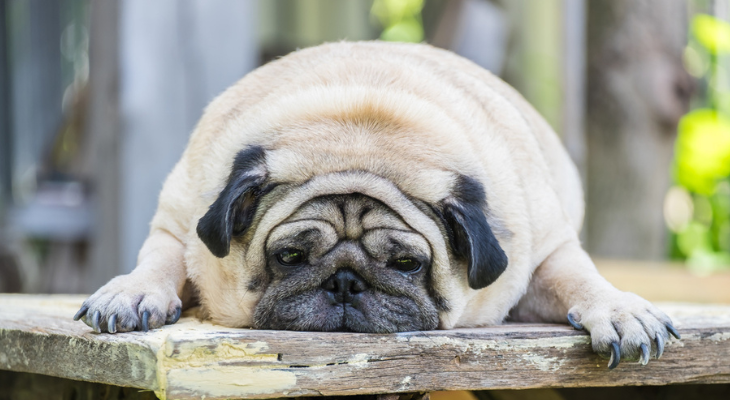
Chonkey pug puddles on bench

Signs Your Dog May Have Bloat

Every minute counts when your dog develops bloat. The condition affects dogs of any age and causes death just a few hours after symptoms start. Recognizing bloat symptoms and rushing your pet to the veterinarian can help your furry friend survive a bout of bloat.

How Does Bloat Happen?

Bloat occurs when excess air enters your dog's stomach, causing it to stretch. As the stomach expands, the openings at either end close, preventing the air from escaping. Increased pressure in the stomach stops blood flow to the abdomen and stomach. Blood circulates oxygen and nutrients throughout the body and is essential for good health. Without sufficient blood flow, organs and tissues may begin to die.

Sometimes the stomach not only expands, but also twists, preventing blood from reaching the intestines, spleen, pancreas and hind legs. According to the American Kennel Club (AKC), the pancreas may produce toxic hormones that stop the heart if it's deprived of oxygen.

What Are the Signs and Symptoms of Bloat?

Bloat can cause:

  • Pain. Your pet may not want you to touch it's abdomen, may whine, or show other signs of pain.
  • Difficulty Breathing. Your dog's air-filled stomach may press on its diaphragm, a muscle that helps it breathe. Pressure on the diaphragm can cause shallow or rapid breathing.
  • Drooling. Excess drooling can be a sign of bloat.
  • Panting. A dog in distress due to bloat may begin to pant.
  • Dry Heaving. Your dog will attempt to vomit to relieve its discomfort, although nothing other than foam may come up.
  • Enlarged Abdomen. Bloat can cause your pet's abdomen to look noticeably swollen, although your pet can still have bloat even if you don't see any changes in its appearance.
  • Restless. Dogs may pace and become agitated and restless as symptoms worsen.
  • Change in Posture. Is your dog dropping its chest toward the floor while raising its hind end? The unusual posture could be due to bloat.
  • Other Signs. Dogs with bloat may have pale gums and a racing heartbeat.

If your pet has any of these symptoms, take it to the veterinarian immediately. Don't wait to see if its condition improves. Dogs that have these signs and symptoms can quickly go into shock and collapse without prompt treatment.

According to a research study published in the Journal of Veterinary Emergency and Critical Care, almost 36% of dogs don't survive bloat. The quicker your dog receives treatment, the better its chances of survival.

Why Do Dogs Develop Bloat?

Factors that could increase your pet's risk of bloat include:

  • Eating Habits. Gulping food or water or eating or drinking large amounts of food or water increase the amount of air swallowed.
  • Age. Older dogs are more likely to develop bloat than younger ones.
  • Sex. Bloat occurs much more often in male dogs.
  • Chest. Dogs with narrow, deep chests are at increased risk for bloat.
  • Breed. Large breeds are prone to bloat. They include Great Danes, Doberman Pinschers, Standard Poodles, Gordon Setters, Weimaraners, St. Bernards and Irish Setters, according to the AKC.
  • Exercise. Dogs that participate in vigorous activity immediately after eating are also more likely to develop bloat.
  • Raised Bowls. Raising your pet's food and water bowls may make eating easier, but the practice could increase bloat risk for large breeds.
  • Food Choices. Dogs that only eat dry food, eat only one meal per day, or eat food that is high in fat may be more likely to develop bloat.

How Is Bloat Treated?

Simple bloat (stomach bloating without twisting) can often be treated with intravenous (IV) fluids, pain medication and antibiotics. Treatment for simple bloat may also involve removing excess air by placing a tube or needle in the stomach to allow air to escape.

If your pet's stomach twists, surgery will be needed. During surgery, the veterinarian removes the excess air and moves the stomach back to its normal position. The stomach may also be stitched to the wall of abdomen to prevent the condition from happening again.

Quick treatment can save your dog's life should it develop bloat. Call us right away if your dog displays any of these signs and symptoms.

Sources:

American Kennel Club: Bloat (or GDV) in Dogs: What Is it and How Is it Treated?, 9/21/2021

https://www.akc.org/expert-advice/health/bloat-in-dogs/

PetMD: Bloat in Dogs, 11/26/2021

https://www.petmd.com/dog/conditions/digestive/signs-and-symptoms-bloat-dogs

Whole Dog Journal: Bloat in Dogs is Deadly, 5/23/2022

https://www.whole-dog-journal.com/health/bloat-in-dogs-is-deadly/

Wiley Online Library: Journal of Veterinary Emergency and Critical Care: The pattern of mortality in dogs with gastric dilatation and volvulus, 2/19/2020

https://onlinelibrary.wiley.com/doi/10.1111/vec.12932

  • Pet Health
    • Chronic Conditions
    • Digestive and Oral Health
    • Diseases and Viruses
    • Pests and Parasites
    • Orthopedics
  • Today's Veterinarian
  • Choosing Your Pet
    • Finding Your Pet
    • Cats
    • Dogs
    • Exotics
      • Amphibians
      • Birds
      • Reptiles
        • Lizards
        • Turtles
    • Small Mammals
      • Ferrets
      • Rabbits
      • Domesticated Animals
        • Prairie Dogs
      • Pocket Pets
        • Chinchillas
        • Guinea Pigs
        • Hamsters
        • Hedgehogs
        • Rats
    • Livestock
      • Cows
      • Donkeys, Horses & Mules
      • Goats
      • Pigs
      • Poultry
      • Sheep
  • Living With Your Pet
    • Bringing Your Pet Home
    • Children and Pets
    • Providing Care
    • Travel
    • Saying Goodbye
  • Newsletter Library
    • Cats
    • Tips for Pet Owners
    • Behavior & Training
    • Fleas & Parasites
    • Keeping Pets Healthy
    • Recognizing Illness
    • Nutrition & Food
    • Pet Dangers
    • Seasonal Topics
    • Visiting the Vet
    • Equine
    • Newsletter Archive
      • Fun with Pets
      • Unbelievable Pets
  • Video Newsroom
    • Health Topics
    • Technology and Science
    • Other Interests
  • Newsletter Library
  • Client Survey
  • Pets4Kids

Contact Us

For More Information

Error!

    • Make An Appointment

      We will do our best to accommodate your busy schedule. Schedule an appointment today!
      Schedule Now
    • Contact Us

      Our patient forms are available online so they can be completed in the convenience of your own home or office.
      View Forms
    • Online Forms

      Our patient forms are available online so they can be completed in the convenience of your own home or office.
      View Forms

    Office Hours

    Our Regular Schedule

    Monday:

    8:00 am-5:00 pm

    Tuesday:

    8:00 am-5:00 pm

    Wednesday:

    8:00 am-5:00 pm

    Thursday:

    8:00 am-5:00 pm

    Friday:

    8:00 am-5:00 pm

    Saturday:

    Open the first two Saturdays over every month from 8AM to 12PM.

    Effective May 1, 2024

    Sunday:

    Closed

    Location

    Find us on the map

    • "All of the staff is compassionate and caring. They will love on your animals when you can't!"
      The Oilers Life Stacy L. M.
    • "Wished I would have found this Vet a long time ago. They are indeed animal lovers and very thorough. Took extremely good care of my pets. Very clean and very reasonable.
      Not money hungry like most. Very conscientious of pet's needs and owner's concerns.
      Than you Pearl River Vet Hospital"
      Jackie M.
    • "We LOVE Dr. Bradburn!!! :) We would recommend him to anyone!!"
      Kristie R.

    Featured Articles

    Read about interesting topics

    • March Newsletter: How to Keep Your Cat Safe When Outdoors

      Wondering how your cat can safely spend time outdoors? ...

      Read More
    • March Newsletter: How to Choose Safe Blankets for Pets

      Do you know how to pick a safe blanket for your pet? ...

      Read More
    • February Newsletter: How to Reduce Dental Anxiety in Pets

      Does your pet hate toothbrushing? These tips could reduce dental anxiety. ...

      Read More
    • February Newsletter: How to Safely Change Your Cat’s Food

      Buying a new food for your cat? Find out how to switch foods safely. ...

      Read More
    • January Newsletter: Signs Your Pet Needs a Wellness Exam

      Does your pet need a wellness exam? ...

      Read More
    • January Newsletter: How Your Veterinarian Can Help If Your Pet Ingests Something Toxic

      Has your pet eaten something it shouldn't have? Find out how your vet can help. ...

      Read More
    • December Newsletter: Signs Your Pet Needs a Professional Cleaning

      Do you know when your pet needs a professional cleaning? ...

      Read More
    • December Newsletter: Simple Ways to Keep Your Home Flea-Free for Your Pet’s Well-being

      Never want to see another flea again? Try these tips for a flea-free home. ...

      Read More
    • November Newsletter: The Importance of Bloodwork for Your Pet’s Health

      Wondering if your pet really needs bloodwork? Find out the benefits of blood tests for your furry friend. ...

      Read More
    • November Newsletter: Turkey Day Tips for Pet Owners

      Don't forget about your pet when making Turkey Day preparations. ...

      Read More

    NEWSLETTER SIGNUP

    Sign up for more articles

    Error!

      Connect With Us

      • Copyright © 2026 MH Sub I, LLC dba iMatrix
      • Admin Log In
      • Site Map
      • Terms Of Service
      • Privacy Policy