Effective February 6th, we will be open the first two Saturdays of every month from 8AM to 2PM. Our Monday-Friday hours will remain 8AM to 5PM.

Close
×

Would you like to switch to the accessible version of this site?

Go to accessible site Close modal window

Don't need the accessible version of this site?

Hide the accessibility button Close modal window
Accessibility View Close toolbar
Pearl River Veterinary Hospital

(985) 863-5404

Open mobile navigation
  • Home
  • New Patient Center
    • Online Forms
    • What to Expect
    • Veterinary Resources
    • Payment Options
    • Pet Wellness Program
  • About Us
    • Meet The Doctors
    • Meet Our Staff
  • Our Services
    • Bathing and Boarding
    • Dentistry
    • Internal Medicine
    • Radiology
    • Surgery
    • Well Health Exams
  • Petsimonials
    • Memorials
      • Submit Your Pet Memorial
  • Contact Us
    • Appointment Request
  • Patient Portal
  • Blog
  • Veterinary Topics
  • Home >
  • Articles >
  • Newsletter Library >
  • November Newsletter: How arthritis can affect your pet

November Newsletter: How arthritis can affect your pet

  • Created in Newsletter Library

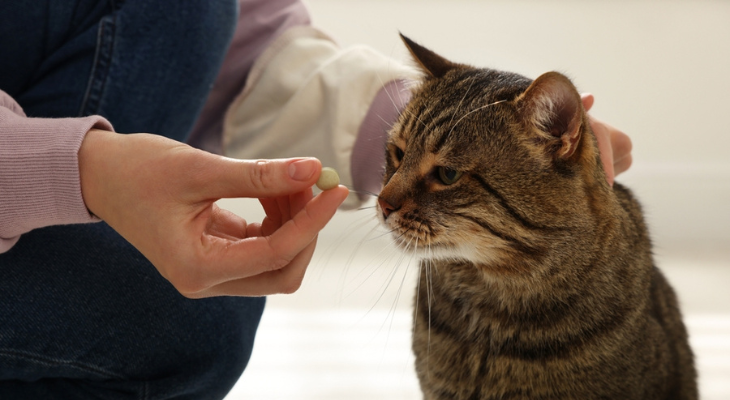
Cat contemplates taking a pill

How Arthritis Affects Your Pet

Arthritis takes a toll on your pet's joints, making walking, jumping and other everyday activities much more difficult. Learning about arthritis symptoms and treatments can help you ensure that you're doing everything possible to ease your pet's pain.

What Is Arthritis?

Osteoarthritis happens when the protective cartilage at the ends of the bones in a joint wears away. The cartilage cushions the bones and makes it easy for them to slide when a joint moves. With little or no cartilage to protect them, bones grind together painfully. Pets with arthritis often become less active due to joint pain and stiffness.

According to the American Kennel Club (AKC), arthritis most often affects the hips, lower back, elbows, wrists, and knees in dogs. ASPCA Pet Health Insurance notes that cats are more likely to develop arthritis in the back, knees, elbows, jawbone and hips.

Osteoarthritis can be caused by:

  • Aging
  • Hip or Elbow Dysplasia
  • Joint Dislocations
  • Injuries
  • Joint Infections
  • Previous Surgery on a Joint
  • Activities That Stress the Joints
  • Cushing's Disease
  • Addison's Disease
  • Diabetes
  • Increased Pressure on the Joints Due to Obesity

Some breeds are more likely to develop arthritis or conditions that increase the risk of arthritis than others. According to ASPCA Pet Insurance, arthritis often occurs in large breeds, like German Shepherds, Rottweilers, Great Danes, and Doberman Pinschers. International Cat Care reports that Abyssinian and Devon Rex cats are prone to kneecap dislocations, while hip dysplasia is a problem in Persians, Maine Coon and Siamese cats.

How Can I Tell if My Pet Has Arthritis?

Pets can have arthritis for some time before their families realize that something is wrong. Signs that could mean that your pet is suffering from joint pain and stiffness include:

  • Slowing Down. Your dog or cat may not be quite as active as usual and uninterested in going for walks, running or playing games.
  • Trouble with Steps. Does your pet rarely go upstairs anymore? Navigating steps can be particularly difficult with arthritic joints.
  • Difficulty Jumping. Pets with arthritis may avoid jumping or may be unsuccessful when they try to jump on elevated surfaces and objects.
  • Limping. A sudden limp is an obvious sign that something isn't quite right with your pet. You may notice that the limp seems worse after your pet has been resting for a while.
  • Stiff Movements. Inflammation and swelling in your pet's joints cause stiffness. Your pet's movements may be jerky and less smooth than normal.
  • Irritability. Pain can affect your pet's mood, making your normally laid-back cat or dog grouchy and impatient. If your pet's mood or personality has changed, a painful condition like arthritis could be to blame.
  • Housetraining Accidents. Accidents may be more likely to happen if your pet has arthritis. Your cat may not be able to reach the litter box in time or might find it difficult to step over the rim. Poor mobility may mean it takes longer for your dog to travel outside, which can result in accidents.

How Is Arthritis Treated?

Although cartilage can't be regrown once it wears away, your pet's veterinarian can offer a few treatments and suggestions that may help reduce pain and stiffness, including:

  • Medication. Nonsteroidal anti-inflammatory drugs (NSAIDs) and other medications relieve pain and stiffness and can help your pet move more easily.
  • Disinterest in Grooming. Your normally well-groomed cat may begin to look disheveled if arthritis makes grooming difficult.
  • Weight Loss. Losing weight reduces pressure on your pet's joints and may help minimize damage to the joints.
  • Change in Diet. Your pet's veterinarian might recommend switching to a food that contains eicosapentaenoic acid. This type of Omega-3 fatty acid improves symptoms, reduces joint inflammation, and may protect the cartilage, according to the AKC.
  • Exercise. Although your pet may be reluctant to move, a little exercise can actually reduce pain and stiffness. Vigorous activity isn't a good idea, but short walks and other activities can be very helpful for pets with arthritis.
  • Supplements. Glucosamine and chondroitin sulfate, the same supplements people use, to ease arthritis pain may also be helpful for pets. Be sure to ask your pet's veterinarian about the proper dosage of any supplements.

Are you concerned that your pet may have arthritis? We can offer treatments that will ease your pet's pain and improve its mobility. Get in touch with our office to schedule an appointment.

Sources:

ASPCA Pet Health Insurance: Symptoms of Arthritis in Dogs

ASPCA Pet Health Insurance: Signs of Arthritis in Cats

JAVMA News: Getting Ahead of Osteoarthritis in Pets, 1/1/2021

American Kennel Club Canine Health Foundation: Managing Canine Arthritis, 9/19/2021

International Cat Care: Arthritis & Degenerative Joint Disease in Cats, 7/26/2018

  • Pet Health
    • Chronic Conditions
    • Digestive and Oral Health
    • Diseases and Viruses
    • Pests and Parasites
    • Orthopedics
  • Today's Veterinarian
  • Choosing Your Pet
    • Finding Your Pet
    • Cats
    • Dogs
    • Exotics
      • Amphibians
      • Birds
      • Reptiles
        • Lizards
        • Turtles
    • Small Mammals
      • Ferrets
      • Rabbits
      • Domesticated Animals
        • Prairie Dogs
      • Pocket Pets
        • Chinchillas
        • Guinea Pigs
        • Hamsters
        • Hedgehogs
        • Rats
    • Livestock
      • Cows
      • Donkeys, Horses & Mules
      • Goats
      • Pigs
      • Poultry
      • Sheep
  • Living With Your Pet
    • Bringing Your Pet Home
    • Children and Pets
    • Providing Care
    • Travel
    • Saying Goodbye
  • Newsletter Library
    • Cats
    • Tips for Pet Owners
    • Behavior & Training
    • Fleas & Parasites
    • Keeping Pets Healthy
    • Recognizing Illness
    • Nutrition & Food
    • Pet Dangers
    • Seasonal Topics
    • Visiting the Vet
    • Equine
    • Newsletter Archive
      • Fun with Pets
      • Unbelievable Pets
  • Video Newsroom
    • Health Topics
    • Technology and Science
    • Other Interests
  • Newsletter Library
  • Client Survey
  • Pets4Kids

Contact Us

For More Information

Error!

    • Make An Appointment

      We will do our best to accommodate your busy schedule. Schedule an appointment today!
      Schedule Now
    • Contact Us

      Our patient forms are available online so they can be completed in the convenience of your own home or office.
      View Forms
    • Online Forms

      Our patient forms are available online so they can be completed in the convenience of your own home or office.
      View Forms

    Office Hours

    Our Regular Schedule

    Monday:

    8:00 am-5:00 pm

    Tuesday:

    8:00 am-5:00 pm

    Wednesday:

    8:00 am-5:00 pm

    Thursday:

    8:00 am-5:00 pm

    Friday:

    8:00 am-5:00 pm

    Saturday:

    Open the first two Saturdays over every month from 8AM to 12PM.

    Effective May 1, 2024

    Sunday:

    Closed

    Location

    Find us on the map

    • "All of the staff is compassionate and caring. They will love on your animals when you can't!"
      The Oilers Life Stacy L. M.
    • "Wished I would have found this Vet a long time ago. They are indeed animal lovers and very thorough. Took extremely good care of my pets. Very clean and very reasonable.
      Not money hungry like most. Very conscientious of pet's needs and owner's concerns.
      Than you Pearl River Vet Hospital"
      Jackie M.
    • "We LOVE Dr. Bradburn!!! :) We would recommend him to anyone!!"
      Kristie R.

    Featured Articles

    Read about interesting topics

    • March Newsletter: How to Keep Your Cat Safe When Outdoors

      Wondering how your cat can safely spend time outdoors? ...

      Read More
    • March Newsletter: How to Choose Safe Blankets for Pets

      Do you know how to pick a safe blanket for your pet? ...

      Read More
    • February Newsletter: How to Reduce Dental Anxiety in Pets

      Does your pet hate toothbrushing? These tips could reduce dental anxiety. ...

      Read More
    • February Newsletter: How to Safely Change Your Cat’s Food

      Buying a new food for your cat? Find out how to switch foods safely. ...

      Read More
    • January Newsletter: Signs Your Pet Needs a Wellness Exam

      Does your pet need a wellness exam? ...

      Read More
    • January Newsletter: How Your Veterinarian Can Help If Your Pet Ingests Something Toxic

      Has your pet eaten something it shouldn't have? Find out how your vet can help. ...

      Read More
    • December Newsletter: Signs Your Pet Needs a Professional Cleaning

      Do you know when your pet needs a professional cleaning? ...

      Read More
    • December Newsletter: Simple Ways to Keep Your Home Flea-Free for Your Pet’s Well-being

      Never want to see another flea again? Try these tips for a flea-free home. ...

      Read More
    • November Newsletter: The Importance of Bloodwork for Your Pet’s Health

      Wondering if your pet really needs bloodwork? Find out the benefits of blood tests for your furry friend. ...

      Read More
    • November Newsletter: Turkey Day Tips for Pet Owners

      Don't forget about your pet when making Turkey Day preparations. ...

      Read More

    NEWSLETTER SIGNUP

    Sign up for more articles

    Error!

      Connect With Us

      • Copyright © 2026 MH Sub I, LLC dba iMatrix
      • Admin Log In
      • Site Map
      • Terms Of Service
      • Privacy Policy