Effective February 6th, we will be open the first two Saturdays of every month from 8AM to 2PM. Our Monday-Friday hours will remain 8AM to 5PM.

Close
×

Would you like to switch to the accessible version of this site?

Go to accessible site Close modal window

Don't need the accessible version of this site?

Hide the accessibility button Close modal window
Accessibility View Close toolbar
Pearl River Veterinary Hospital

(985) 863-5404

Open mobile navigation
  • Home
  • New Patient Center
    • Online Forms
    • What to Expect
    • Veterinary Resources
    • Payment Options
    • Pet Wellness Program
  • About Us
    • Meet The Doctors
    • Meet Our Staff
  • Our Services
    • Bathing and Boarding
    • Dentistry
    • Internal Medicine
    • Radiology
    • Surgery
    • Well Health Exams
  • Petsimonials
    • Memorials
      • Submit Your Pet Memorial
  • Contact Us
    • Appointment Request
  • Patient Portal
  • Blog
  • Veterinary Topics
  • Home >
  • Articles >
  • Newsletter Library >
  • Is My Dog Fat Or Is It A Thyroid Problem?

Is My Dog Fat Or Is It A Thyroid Problem?

  • Created in Newsletter Library
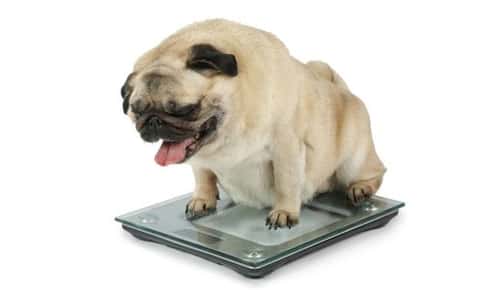
Overweight dog sitting on a scale

Has Your Dog Gained Weight? A Thyroid Problem Could Be to Blame

Chubby pets may look cute but even a few extra pounds can increase your dog's chances of developing diabetes, arthritis, heart disease, and other health conditions. Gaining weight isn't always due to overeating, but can be a sign of a thyroid condition. The risk of thyroid problems increases as your dog ages and is more common in certain breeds.

Determining the Cause of Your Pet's Weight Gain

Like most pets, your dog probably has no difficulty letting you know that he or she is hungry. No matter how hard you try, it can be difficult to resist those pleading eyes or ignore the empty food bowl dropped at your feet.

An occasional snack between meals probably won't change your pet's weight, but too many snacks and treats can have a detrimental effect. You may not be giving your pet between-meal snacks, but what about other family members? When the whole family slips a treat to the pet, obesity can be an unfortunate consequence.

Keep in mind that nutritional requirements change as your pet ages. Adults dogs don't need to consume as many calories as growing puppies, and less active senior dogs need even fewer calories. If you continue to feed your adult dog puppy food or fill your senior dog's bowl with food meant for a younger dog, the numbers on the scale may increase even though your pet isn't overeating.

If no one is giving your pet extra food, and you're offering the right type of food for your pet's age, a thyroid problem could be responsible for your dog's weight gain.

What Type of Thyroid Disease Causes Weight Gain in Dogs?

Weight gain can be a sign that your dog has hypothyroidism, a condition that occurs due to decreased production of thyroid hormones. These hormones regulate important bodily functions, including metabolism, heart rate, brain development, temperature, breathing, cholesterol levels, and muscle strength.

Hypothyroidism affects metabolism by slowing the rate that your pet burns calories. Your dog may gain weight despite no changes in food or eating habits. In addition to weight gain, other symptoms of hypothyroidism may include:

  • Poor Stamina
  • Fatigue and Lethargy
  • Decreased Appetite
  • Shedding
  • Dull Coat
  • Hair Thinning or Loss
  • Ear or Skin Infections
  • Drooping Facial Muscles
  • Intolerance to Cold Temperatures
  • Thickened Skin or Skin Pigment Changes
  • Goiter (a swelling on your dog's neck due to thyroid enlargement)

Age and size can be factors in hypothyroidism. The condition usually affects middle-aged or older dogs and occurs more often in large and medium dogs. Irish Setters, Doberman Pinschers, Golden Retrievers, Airedale Terriers, Cocker Spaniels, and Dachshunds are at higher risk of developing hypothyroidism, according to the American Kennel Club.

In some cases, hypothyroidism can be caused by cancer. Fortunately, thyroid cancer isn't common in dogs.

How is Hypothyroidism in Dogs Treated?

Your pet's veterinarian will consider your dog's symptoms and the results of blood tests when making a diagnosis. If your furry friend is diagnosed with hypothyroidism, he or she will need to take an oral hormone replacement medication every day and receive regular blood tests to monitor thyroid hormone levels. Hormone replacement therapy is very effective and will allow your dog to live a normal life.

Are you concerned about your dog's weight? We treat hypothyroidism and other health issues that cause weight gain and can also provide weight loss suggestions and advice. Contact us to schedule your pet's appointment.

Sources:

Washington State University: Hypothyroidism in Dogs

https://www.vetmed.wsu.edu/outreach/Pet-Health-Topics/categories/diseases/hypothyroidism-in-dogs

WebMD: Why Is My Dog Gaining Weight?

https://pets.webmd.com/dogs/dog-gaining-weight#1

American Kennel Club: Thyroid Disease in Dogs

https://www.akc.org/expert-advice/health/thyroid-disease-in-dogs/

  • Pet Health
    • Chronic Conditions
    • Digestive and Oral Health
    • Diseases and Viruses
    • Pests and Parasites
    • Orthopedics
  • Today's Veterinarian
  • Choosing Your Pet
    • Finding Your Pet
    • Cats
    • Dogs
    • Exotics
      • Amphibians
      • Birds
      • Reptiles
        • Lizards
        • Turtles
    • Small Mammals
      • Ferrets
      • Rabbits
      • Domesticated Animals
        • Prairie Dogs
      • Pocket Pets
        • Chinchillas
        • Guinea Pigs
        • Hamsters
        • Hedgehogs
        • Rats
    • Livestock
      • Cows
      • Donkeys, Horses & Mules
      • Goats
      • Pigs
      • Poultry
      • Sheep
  • Living With Your Pet
    • Bringing Your Pet Home
    • Children and Pets
    • Providing Care
    • Travel
    • Saying Goodbye
  • Newsletter Library
    • Cats
    • Tips for Pet Owners
    • Behavior & Training
    • Fleas & Parasites
    • Keeping Pets Healthy
    • Recognizing Illness
    • Nutrition & Food
    • Pet Dangers
    • Seasonal Topics
    • Visiting the Vet
    • Equine
    • Newsletter Archive
      • Fun with Pets
      • Unbelievable Pets
  • Video Newsroom
    • Health Topics
    • Technology and Science
    • Other Interests
  • Newsletter Library
  • Client Survey
  • Pets4Kids

Contact Us

For More Information

Error!

    • Make An Appointment

      We will do our best to accommodate your busy schedule. Schedule an appointment today!
      Schedule Now
    • Contact Us

      Our patient forms are available online so they can be completed in the convenience of your own home or office.
      View Forms
    • Online Forms

      Our patient forms are available online so they can be completed in the convenience of your own home or office.
      View Forms

    Office Hours

    Our Regular Schedule

    Monday:

    8:00 am-5:00 pm

    Tuesday:

    8:00 am-5:00 pm

    Wednesday:

    8:00 am-5:00 pm

    Thursday:

    8:00 am-5:00 pm

    Friday:

    8:00 am-5:00 pm

    Saturday:

    Open the first two Saturdays over every month from 8AM to 12PM.

    Effective May 1, 2024

    Sunday:

    Closed

    Location

    Find us on the map

    • "All of the staff is compassionate and caring. They will love on your animals when you can't!"
      The Oilers Life Stacy L. M.
    • "Wished I would have found this Vet a long time ago. They are indeed animal lovers and very thorough. Took extremely good care of my pets. Very clean and very reasonable.
      Not money hungry like most. Very conscientious of pet's needs and owner's concerns.
      Than you Pearl River Vet Hospital"
      Jackie M.
    • "We LOVE Dr. Bradburn!!! :) We would recommend him to anyone!!"
      Kristie R.

    Featured Articles

    Read about interesting topics

    • March Newsletter: How to Keep Your Cat Safe When Outdoors

      Wondering how your cat can safely spend time outdoors? ...

      Read More
    • March Newsletter: How to Choose Safe Blankets for Pets

      Do you know how to pick a safe blanket for your pet? ...

      Read More
    • February Newsletter: How to Reduce Dental Anxiety in Pets

      Does your pet hate toothbrushing? These tips could reduce dental anxiety. ...

      Read More
    • February Newsletter: How to Safely Change Your Cat’s Food

      Buying a new food for your cat? Find out how to switch foods safely. ...

      Read More
    • January Newsletter: Signs Your Pet Needs a Wellness Exam

      Does your pet need a wellness exam? ...

      Read More
    • January Newsletter: How Your Veterinarian Can Help If Your Pet Ingests Something Toxic

      Has your pet eaten something it shouldn't have? Find out how your vet can help. ...

      Read More
    • December Newsletter: Signs Your Pet Needs a Professional Cleaning

      Do you know when your pet needs a professional cleaning? ...

      Read More
    • December Newsletter: Simple Ways to Keep Your Home Flea-Free for Your Pet’s Well-being

      Never want to see another flea again? Try these tips for a flea-free home. ...

      Read More
    • November Newsletter: The Importance of Bloodwork for Your Pet’s Health

      Wondering if your pet really needs bloodwork? Find out the benefits of blood tests for your furry friend. ...

      Read More
    • November Newsletter: Turkey Day Tips for Pet Owners

      Don't forget about your pet when making Turkey Day preparations. ...

      Read More

    NEWSLETTER SIGNUP

    Sign up for more articles

    Error!

      Connect With Us

      • Copyright © 2026 MH Sub I, LLC dba iMatrix
      • Admin Log In
      • Site Map
      • Terms Of Service
      • Privacy Policy