Effective February 6th, we will be open the first two Saturdays of every month from 8AM to 2PM. Our Monday-Friday hours will remain 8AM to 5PM.

Close
×

Would you like to switch to the accessible version of this site?

Go to accessible site Close modal window

Don't need the accessible version of this site?

Hide the accessibility button Close modal window
Accessibility View Close toolbar
Pearl River Veterinary Hospital

(985) 863-5404

Open mobile navigation
  • Home
  • New Patient Center
    • Online Forms
    • What to Expect
    • Veterinary Resources
    • Payment Options
    • Pet Wellness Program
  • About Us
    • Meet The Doctors
    • Meet Our Staff
  • Our Services
    • Bathing and Boarding
    • Dentistry
    • Internal Medicine
    • Radiology
    • Surgery
    • Well Health Exams
  • Petsimonials
    • Memorials
      • Submit Your Pet Memorial
  • Contact Us
    • Appointment Request
  • Patient Portal
  • Blog
  • Veterinary Topics
  • Home >
  • Articles >
  • Newsletter Library >
  • Cats >
  • Could Those Sniffles Be a Symptom of the Feline Flu?

Could Those Sniffles Be a Symptom of the Feline Flu?

  • Created in Newsletter Library, Cats

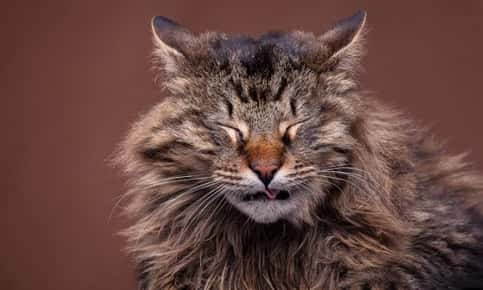
The flu doesn't just affect people. Your cat can develop the viral infection, too. Although most cats recover fully from a bout of the flu, it can be particularly hard on young, old and immune-compromised cats. Take a look at a few symptoms that can occur if your furry friend has the feline flu.

Common Symptoms of Feline Flu

Your pet will experience many of the same symptoms you do when you have the flu. Common signs and symptoms include:

  • Runny nose
  • Sneezing
  • Coughing
  • Red or pink eyelids
  • Fever
  • Eye discharge
  • Dehydration
  • Raspy voice when meowing
  • Joint pain
  • Appetite loss
  • Fatigue
  • Ulcers in the mouth or in and around the eyes

Most cases of the feline flu last 10 days to three weeks. Your cat may first begin to feel sick about two to five days after he or she has been exposed to a virus.

Causes of the Feline Flu

Flu symptoms are most often caused by exposure to the feline calicivirus (FCV) or feline viral rhinotracheitis (FVR) viruses. The viruses spread when an infected cat sneezes or coughs and your cat inhales the infected air droplets, or when your cat comes in contact with a water bowl, blanket, toy, litter box or other objects that contains the saliva of an infected cat.

Once cats are infected by the feline flu, they become lifelong carriers. They can infect other cats if they shed the virus. Fortunately, shedding usually only occurs if your pet is stressed. The events that cats find overwhelming vary, but may include adding a new person or animal to the household or moving to a new home. When cats shed the flu virus, they often become sick again, although it's possible to shed the virus without exhibiting any signs of illness.

You may be an unwitting source of the feline flu. Because the virus can survive on surfaces for hours as long as it remains moist, you may unknowingly bring it into your home on your clothing or shoes.

Consulting the Veterinarian

Consulting your veterinarian is a good idea if your pet develops any of the symptoms of feline flu. It's often possible to make a diagnosis based on your cat's symptoms, although your pet's veterinarian may want to confirm the diagnosis with blood and urine tests and X-rays, in some cases. If you suspect your cat has feline flu, please let your veterinarian's office know that when booking the appointment. They may want to take special precautions so that your sick pet does not infect others when you bring them in for a visit.

Although antibiotics aren't helpful in treating viruses, your cat's vet can offer treatments aimed at preventing complications and making your cat more comfortable. For example, painful mouth ulcers may force your pet to stop drinking water, which can lead to dehydration. During your cat's visit to the veterinarian, he or she may receive intravenous liquids to restore the normal balance of fluids and electrolytes.

Veterinary care is essential if you cat is very young or old, has a disease that affects the immune system or has a chronic health condition or disease, such as kidney failure or diabetes. These pets may be more likely to develop pneumonia or other secondary infections and must be carefully monitored and treated promptly should complications occur.

Making Your Cat More Comfortable

Not surprisingly, cats who have the feline flu are often miserable. You can make your cat more comfortable by trying a few of these tips:

  • Use a cool mist vaporizer to ease breathing. (Be sure to place it place it out of reach of your cat.)
  • Wipe away discharge from the eyes and mouth with a moist cloth.
  • Provide a variety of foods to tempt your pet to eat. (Heating food and offering smelly foods can be helpful if your cat's sense of smell is affected by a stuffy nose.)
  • Move a litter box closer to your cat's preferred resting place.
  • Provide a warm bed away from drafts in a quiet part of the house.

Preventing the Feline Flu

Vaccinating your cat can provide protection from the flu. Although the vaccine is effective against the most common strains of feline flu, it's possible that your cat could still become sick if infected by a less common or new flu strain.

Separating an ill cat from healthy cats is important if you have multiple cats. Washing bedding and blankets often and cleaning hard surfaces regularly will help protect your other cats from becoming sick.

Are you concerned that your cat might have the feline flu or another illness? Prompt veterinary treatment can help your furry friend recover and avoid serious complications. Contact us today to schedule a convenient appointment.

Sources:

VetInfo: A Guide to Cat Flu Treatment

https://www.vetinfo.com/guide-cat-flu-treatment.html

PetMD: Feline Calicivirus Infection in Cats

http://www.petmd.com/cat/conditions/infectious-parasitic/c_ct_feline_calicivirus?page=show

Healthy Pets: Spreads Like Crazy and Makes Your Pet Miserable – Is It Serious, 6/18/17

http://healthypets.mercola.com/sites/healthypets/archive/2017/06/18/calicivirus.aspx

PetMD: Feline Herpesvirus 1 (FHV-1) Infection - Head Cold in Cats

http://www.petmd.com/cat/conditions/infectious-parasitic/c_ct_feline_rhinotracheitis?page=2

  • Pet Health
    • Chronic Conditions
    • Digestive and Oral Health
    • Diseases and Viruses
    • Pests and Parasites
    • Orthopedics
  • Today's Veterinarian
  • Choosing Your Pet
    • Finding Your Pet
    • Cats
    • Dogs
    • Exotics
      • Amphibians
      • Birds
      • Reptiles
        • Lizards
        • Turtles
    • Small Mammals
      • Ferrets
      • Rabbits
      • Domesticated Animals
        • Prairie Dogs
      • Pocket Pets
        • Chinchillas
        • Guinea Pigs
        • Hamsters
        • Hedgehogs
        • Rats
    • Livestock
      • Cows
      • Donkeys, Horses & Mules
      • Goats
      • Pigs
      • Poultry
      • Sheep
  • Living With Your Pet
    • Bringing Your Pet Home
    • Children and Pets
    • Providing Care
    • Travel
    • Saying Goodbye
  • Newsletter Library
    • Cats
    • Tips for Pet Owners
    • Behavior & Training
    • Fleas & Parasites
    • Keeping Pets Healthy
    • Recognizing Illness
    • Nutrition & Food
    • Pet Dangers
    • Seasonal Topics
    • Visiting the Vet
    • Equine
    • Newsletter Archive
      • Fun with Pets
      • Unbelievable Pets
  • Video Newsroom
    • Health Topics
    • Technology and Science
    • Other Interests
  • Newsletter Library
  • Client Survey
  • Pets4Kids

Contact Us

For More Information

Error!

    • Make An Appointment

      We will do our best to accommodate your busy schedule. Schedule an appointment today!
      Schedule Now
    • Contact Us

      Our patient forms are available online so they can be completed in the convenience of your own home or office.
      View Forms
    • Online Forms

      Our patient forms are available online so they can be completed in the convenience of your own home or office.
      View Forms

    Office Hours

    Our Regular Schedule

    Monday:

    8:00 am-5:00 pm

    Tuesday:

    8:00 am-5:00 pm

    Wednesday:

    8:00 am-5:00 pm

    Thursday:

    8:00 am-5:00 pm

    Friday:

    8:00 am-5:00 pm

    Saturday:

    Open the first two Saturdays over every month from 8AM to 12PM.

    Effective May 1, 2024

    Sunday:

    Closed

    Location

    Find us on the map

    • "All of the staff is compassionate and caring. They will love on your animals when you can't!"
      The Oilers Life Stacy L. M.
    • "Wished I would have found this Vet a long time ago. They are indeed animal lovers and very thorough. Took extremely good care of my pets. Very clean and very reasonable.
      Not money hungry like most. Very conscientious of pet's needs and owner's concerns.
      Than you Pearl River Vet Hospital"
      Jackie M.
    • "We LOVE Dr. Bradburn!!! :) We would recommend him to anyone!!"
      Kristie R.

    Featured Articles

    Read about interesting topics

    • March Newsletter: How to Keep Your Cat Safe When Outdoors

      Wondering how your cat can safely spend time outdoors? ...

      Read More
    • March Newsletter: How to Choose Safe Blankets for Pets

      Do you know how to pick a safe blanket for your pet? ...

      Read More
    • February Newsletter: How to Reduce Dental Anxiety in Pets

      Does your pet hate toothbrushing? These tips could reduce dental anxiety. ...

      Read More
    • February Newsletter: How to Safely Change Your Cat’s Food

      Buying a new food for your cat? Find out how to switch foods safely. ...

      Read More
    • January Newsletter: Signs Your Pet Needs a Wellness Exam

      Does your pet need a wellness exam? ...

      Read More
    • January Newsletter: How Your Veterinarian Can Help If Your Pet Ingests Something Toxic

      Has your pet eaten something it shouldn't have? Find out how your vet can help. ...

      Read More
    • December Newsletter: Signs Your Pet Needs a Professional Cleaning

      Do you know when your pet needs a professional cleaning? ...

      Read More
    • December Newsletter: Simple Ways to Keep Your Home Flea-Free for Your Pet’s Well-being

      Never want to see another flea again? Try these tips for a flea-free home. ...

      Read More
    • November Newsletter: The Importance of Bloodwork for Your Pet’s Health

      Wondering if your pet really needs bloodwork? Find out the benefits of blood tests for your furry friend. ...

      Read More
    • November Newsletter: Turkey Day Tips for Pet Owners

      Don't forget about your pet when making Turkey Day preparations. ...

      Read More

    NEWSLETTER SIGNUP

    Sign up for more articles

    Error!

      Connect With Us

      • Copyright © 2026 MH Sub I, LLC dba iMatrix
      • Admin Log In
      • Site Map
      • Terms Of Service
      • Privacy Policy