Effective February 6th, we will be open the first two Saturdays of every month from 8AM to 2PM. Our Monday-Friday hours will remain 8AM to 5PM.

Close
×

Would you like to switch to the accessible version of this site?

Go to accessible site Close modal window

Don't need the accessible version of this site?

Hide the accessibility button Close modal window
Accessibility View Close toolbar
Pearl River Veterinary Hospital

(985) 863-5404

Open mobile navigation
  • Home
  • New Patient Center
    • Online Forms
    • What to Expect
    • Veterinary Resources
    • Payment Options
    • Pet Wellness Program
  • About Us
    • Meet The Doctors
    • Meet Our Staff
  • Our Services
    • Bathing and Boarding
    • Dentistry
    • Internal Medicine
    • Radiology
    • Surgery
    • Well Health Exams
  • Petsimonials
    • Memorials
      • Submit Your Pet Memorial
  • Contact Us
    • Appointment Request
  • Patient Portal
  • Blog
  • Veterinary Topics
  • Home >
  • Articles >
  • Newsletter Library >
  • Nutrition & Food >
  • Obesity in Dogs

Obesity in Dogs

  • Created in Newsletter Library, Nutrition & Food
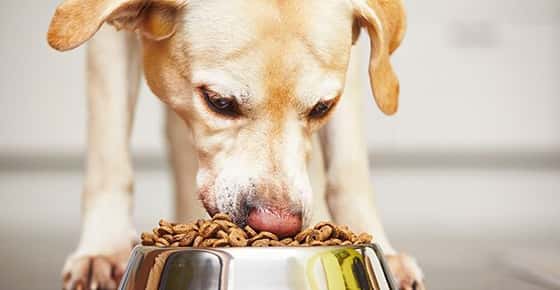
Image of a dog eating.

Obesity is on the rise, and not just for humans. Dogs are increasingly overweight and even obese. In the United States, an estimated 43 million dogs are overweight or obese - that’s over half of all dogs! And it is not just dogs in the United States that need to lose a few pounds - canine obesity is also a problem in Canada, Europe, Australia and other countries worldwide.

Canine obesity increases the risk for osteoarthritis, insulin resistance, diabetes, high blood pressure, heart and respiratory problems, kidney disease, some types of cancer, and cranial cruciate ligament injury. Thanks to these increased health problems, overweight dogs face a decreased life expectancy of up to 2.5 years.

Even if your dog is just a couple pounds over his ideal weight, those few pounds could make a big difference to your dog's health. For example, a 7lb Pomeranian is considered to be a “healthy” weight and the equivalent of a 145lb, 5’ 4” human female. An extra five pounds on the Pomeranian, however, is the equivalent to a 249lb female, which is more than 100lbs over the female’s ideal body weight. Just a few extra pounds really will make a big difference for your dog’s health.

Why are so many dogs overweight? Unfortunately, some pet owners are literally killing their dogs with too much food and too many treats! For example, only one ounce of cheese for a 20 pound dog is the equivalent of 1.5 hamburgers for the average woman! While dog owners may never intentionally mean to hurt their pet, overfeeding, lack of exercise, and poor dietary choices have led to a pet obesity crisis.

A lack of outdoor exercise is also a problem. Busy pet owners who work long hours simply don’t have the time to take their dog for longs walks, runs or play fetch. Together, too much food and a lack of exercise is the perfect recipe for dog obesity.

Early intervention will help overweight dogs get healthy. Your veterinarian can recommend the right diet and exercise program to help your dog lose the extra pounds.

Source:

Association for Pet Obesity Prevention

Association of American Feed Control Officials

  • Pet Health
    • Chronic Conditions
    • Digestive and Oral Health
    • Diseases and Viruses
    • Pests and Parasites
    • Orthopedics
  • Today's Veterinarian
  • Choosing Your Pet
    • Finding Your Pet
    • Cats
    • Dogs
    • Exotics
      • Amphibians
      • Birds
      • Reptiles
        • Lizards
        • Turtles
    • Small Mammals
      • Ferrets
      • Rabbits
      • Domesticated Animals
        • Prairie Dogs
      • Pocket Pets
        • Chinchillas
        • Guinea Pigs
        • Hamsters
        • Hedgehogs
        • Rats
    • Livestock
      • Cows
      • Donkeys, Horses & Mules
      • Goats
      • Pigs
      • Poultry
      • Sheep
  • Living With Your Pet
    • Bringing Your Pet Home
    • Children and Pets
    • Providing Care
    • Travel
    • Saying Goodbye
  • Newsletter Library
    • Cats
    • Tips for Pet Owners
    • Behavior & Training
    • Fleas & Parasites
    • Keeping Pets Healthy
    • Recognizing Illness
    • Nutrition & Food
    • Pet Dangers
    • Seasonal Topics
    • Visiting the Vet
    • Equine
    • Newsletter Archive
      • Fun with Pets
      • Unbelievable Pets
  • Video Newsroom
    • Health Topics
    • Technology and Science
    • Other Interests
  • Newsletter Library
  • Client Survey
  • Pets4Kids

Contact Us

For More Information

Error!

    • Make An Appointment

      We will do our best to accommodate your busy schedule. Schedule an appointment today!
      Schedule Now
    • Contact Us

      Our patient forms are available online so they can be completed in the convenience of your own home or office.
      View Forms
    • Online Forms

      Our patient forms are available online so they can be completed in the convenience of your own home or office.
      View Forms

    Office Hours

    Our Regular Schedule

    Monday:

    8:00 am-5:00 pm

    Tuesday:

    8:00 am-5:00 pm

    Wednesday:

    8:00 am-5:00 pm

    Thursday:

    8:00 am-5:00 pm

    Friday:

    8:00 am-5:00 pm

    Saturday:

    Open the first two Saturdays over every month from 8AM to 12PM.

    Effective May 1, 2024

    Sunday:

    Closed

    Location

    Find us on the map

    • "All of the staff is compassionate and caring. They will love on your animals when you can't!"
      The Oilers Life Stacy L. M.
    • "Wished I would have found this Vet a long time ago. They are indeed animal lovers and very thorough. Took extremely good care of my pets. Very clean and very reasonable.
      Not money hungry like most. Very conscientious of pet's needs and owner's concerns.
      Than you Pearl River Vet Hospital"
      Jackie M.
    • "We LOVE Dr. Bradburn!!! :) We would recommend him to anyone!!"
      Kristie R.

    Featured Articles

    Read about interesting topics

    • March Newsletter: How to Keep Your Cat Safe When Outdoors

      Wondering how your cat can safely spend time outdoors? ...

      Read More
    • March Newsletter: How to Choose Safe Blankets for Pets

      Do you know how to pick a safe blanket for your pet? ...

      Read More
    • February Newsletter: How to Reduce Dental Anxiety in Pets

      Does your pet hate toothbrushing? These tips could reduce dental anxiety. ...

      Read More
    • February Newsletter: How to Safely Change Your Cat’s Food

      Buying a new food for your cat? Find out how to switch foods safely. ...

      Read More
    • January Newsletter: Signs Your Pet Needs a Wellness Exam

      Does your pet need a wellness exam? ...

      Read More
    • January Newsletter: How Your Veterinarian Can Help If Your Pet Ingests Something Toxic

      Has your pet eaten something it shouldn't have? Find out how your vet can help. ...

      Read More
    • December Newsletter: Signs Your Pet Needs a Professional Cleaning

      Do you know when your pet needs a professional cleaning? ...

      Read More
    • December Newsletter: Simple Ways to Keep Your Home Flea-Free for Your Pet’s Well-being

      Never want to see another flea again? Try these tips for a flea-free home. ...

      Read More
    • November Newsletter: The Importance of Bloodwork for Your Pet’s Health

      Wondering if your pet really needs bloodwork? Find out the benefits of blood tests for your furry friend. ...

      Read More
    • November Newsletter: Turkey Day Tips for Pet Owners

      Don't forget about your pet when making Turkey Day preparations. ...

      Read More

    NEWSLETTER SIGNUP

    Sign up for more articles

    Error!

      Connect With Us

      • Copyright © 2026 MH Sub I, LLC dba iMatrix
      • Admin Log In
      • Site Map
      • Terms Of Service
      • Privacy Policy